Kidney problems don’t usually start with a loud alarm. They begin quietly, behind the scenes. Most people don’t even realize something’s wrong until their kidneys are already struggling to do their job. That’s the thing about this part of your body: it’s silent, but it’s always working. And when it stops working the way it should, the effects can ripple through the entire body.
Many of the risks are not genetic or out of your hands. They’re part of your daily routine. The good news? Small, steady changes in how you live can make a real difference. So let’s look at the lifestyle habits that might be doing more harm than you think.
Why Kidney Health Deserves Your Attention
Your kidneys are small, but mighty. They filter waste and excess water out of your blood, help control blood pressure, keep your bones healthy, and manage levels of chemicals your body needs to function.
Now here’s where it gets tricky. You could lose more than 80% of your kidney function before you feel anything is off. That’s why many people only find out there’s a problem when it’s already serious. This is what makes chronic kidney disease prevention so important. It’s not just about reacting to symptoms. It’s about protecting your kidneys before they’re damaged.
1. Ignoring the Early Signs of Kidney Damage
You know that feeling when you’re tired for no reason? Or when your ankles swell up out of nowhere? Those could be early signs of kidney damage, and they’re often brushed off as no big deal.
Here are some signals your kidneys might be struggling:
-
Fatigue that doesn’t go away
-
Swelling in your hands, feet, or face
-
Changes in how often you pee
-
Blood in your urine
-
Muscle cramps, especially at night
None of these screams “kidney problem” on its own, but together, they could be signs that your body is trying to tell you something. Getting regular checkups and paying attention to these symptoms can help catch problems early.
2. Eating Foods That Stress the Kidneys
Food is fuel, but it can also be a slow poison depending on what’s on your plate. A diet high in salt, sugar, and ultra-processed foods makes your kidneys work harder than they should. Over time, that extra effort wears them down.
The link between diet and chronic kidney disease is clear. Eating the wrong kinds of food every day builds up waste in your blood. That puts a constant strain on your kidneys.
Here’s a quick breakdown of what to avoid and what to reach for instead:
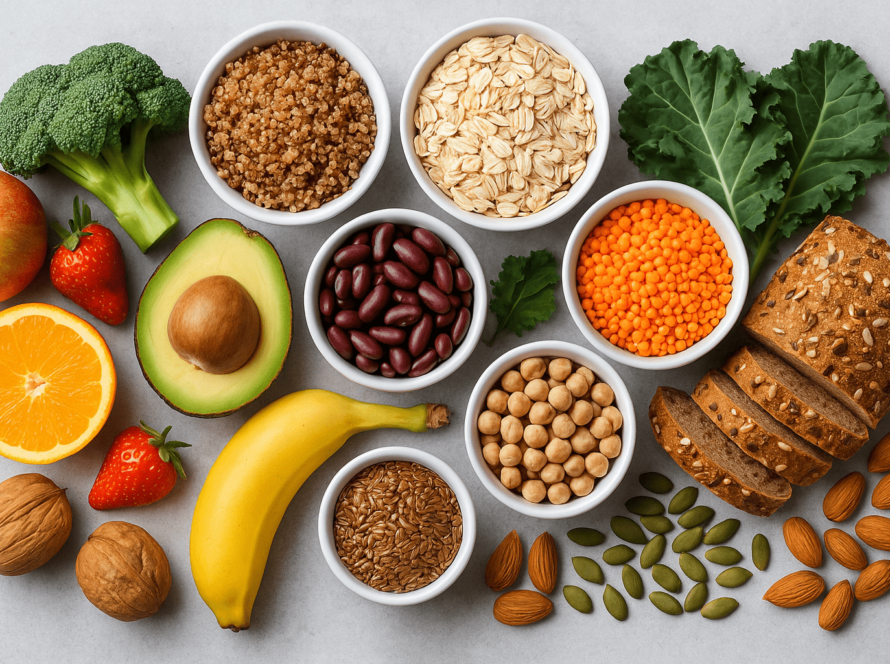
Adding more fruits, vegetables, whole grains, and drinking more water can help lighten your kidneys’ load and support better health overall.
3. Not Drinking Enough Water
Most people don’t drink as much water as they think they do. And dehydration isn’t just about feeling thirsty. It can actually hurt your kidneys.
When you’re not hydrated, the waste in your bloodstream becomes more concentrated. Your kidneys have to work harder to get rid of it. This can lead to crystal buildup, which may become kidney stones.
You don’t need to chug water all day, but here are a few tips that can help:
-
Carry a reusable water bottle and refill it twice a day
-
Drink water before every meal
-
Add fruit slices if plain water isn’t appealing
Listening to your body and drinking when you’re thirsty is a good start. But during hot days, workouts, or when you’re feeling under the weather, your kidneys need even more support.
4. Overusing Painkillers and Medications
Many people reach for painkillers without a second thought. Headache? Back pain? Sore muscles? It’s easy to pop a pill and move on. But using over-the-counter pain meds too often can damage your kidneys over time.
Drugs like ibuprofen and naproxen (NSAIDs) affect blood flow to the kidneys. If taken regularly, especially without food or water, they can cause long-term harm. Some antibiotics and antacids have similar effects if used too much.
It doesn’t mean you have to suffer in silence. But think about:
-
Using heat packs or cold compresses for pain
-
Trying gentle stretches or yoga
-
Limiting meds to only when necessary
If pain is constant, it’s better to find the cause than to keep masking it with pills.
5. Leading a Sedentary Life
Sitting for long periods every day? That might be hurting more than your posture. Lack of movement is closely tied to high blood pressure and type 2 diabetes, two of the most common causes of kidney failure in adults.
When you move your body, you boost circulation and help regulate blood sugar and pressure. You also help your kidneys filter blood more efficiently.
Here are simple ways to get more movement without going to the gym:
-
Take the stairs instead of the elevator
-
Stretch for 5 minutes every hour
-
Go for a walk after meals
-
Park farther away from the store entrance
A little activity each day can go a long way toward kidney health.
6. Smoking and Drinking Too Much Alcohol
These two habits hit your kidneys hard. Smoking narrows blood vessels and reduces blood flow, including to your kidneys. Less blood means less oxygen, which can damage kidney tissue.
Excess alcohol forces your kidneys to work overtime. It also leads to dehydration and raises blood pressure. Combined, these effects increase your risk of kidney damage.
If quitting feels overwhelming, even cutting back can help. Try setting drink limits or replacing your regular drink with sparkling water. When it comes to smoking, even one less cigarette a day is a step in the right direction.
7. Skipping Regular Checkups and Screenings
You can’t fix a problem you don’t know about. That’s why skipping yearly checkups is one of the most common and risky lifestyle habits that harm the kidneys. Regular screenings can catch kidney problems early when they’re still easy to manage.
Basic tests like urine analysis, blood pressure, and blood sugar checks can tell a lot about how your kidneys are doing. If you have a family history of kidney disease or diabetes, these checkups are even more important.
Want to know how to avoid kidney disease naturally? Start by staying informed. Keep track of your numbers, know your risk, and don’t wait for symptoms to show up.
Chronic Kidney Disease Prevention Starts with Small Daily Habits
You don’t need to overhaul your life in one day. Chronic kidney disease prevention begins with noticing the small things you do every day. What you eat. How much water do you drink? How often do you move? These habits might seem minor, but they add up over time.
Start with one change. Maybe it’s drinking more water this week. Or going for a short walk after dinner. Choose something doable. Stick with it. Then build from there. That’s how real prevention works.
Conclusion
Your kidneys do a lot of quiet work every day, and once they’re damaged, it’s hard to reverse. That’s why chronic kidney disease prevention matters most before symptoms appear. Simple habits like better food choices, staying active, and regular checkups can protect your kidneys over time.
If you want support in building healthier habits that last, a structured approach can help. Programs like the Lifespire Longevity Program focus on prevention and long-term health, making it easier to take care of your kidneys and your body as a whole.
Small steps today can protect your health for years to come.